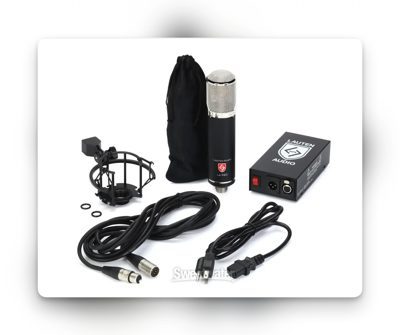
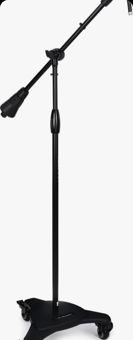
- Ultimate Support MC-125
boom stand
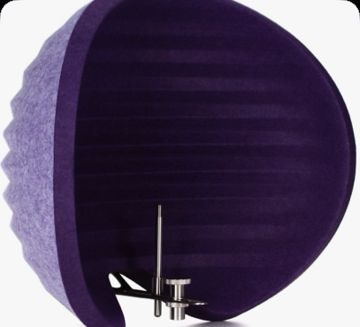
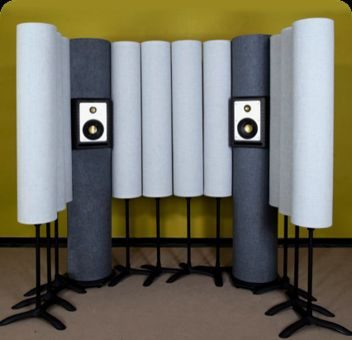
- Aston Halo
reflection filter
Resources
What I'd buy, in the order I'd buy it. Nothing here is sponsored.
What I'd tell a friend to buy, in the order I'd buy it. Nothing here is sponsored and none of the links pay me.
The order matters more than the names. A treated room and a mic you know beats an untreated room full of gear you don't, every time.
A starter vocal setup
A starter setup for recording vocals at home: the kit I'd point an artist to if they were building their first room, in the order the sound travels. Tap any piece to see it.
It's a starting point, not the only right answer. Plenty of great records were made on less, and anything tagged Budget swap can go up or down to suit what you can spend. If you already own gear that does the same job, keep it.
Budget swap trade up or down for budgetPower strip plugs into the power strip
1. The mics
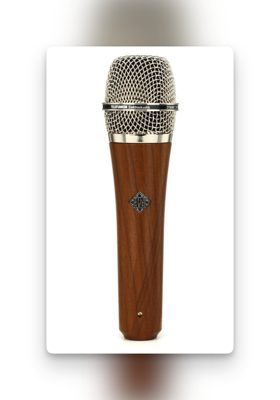
Telefunken M80Rough and quick vocals.
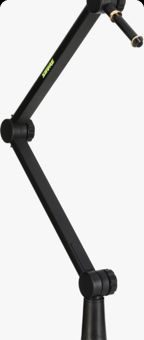
- Shure by Gator boom arm
clamps to the desk
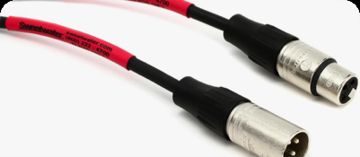
- Pro Co EXM-10 XLR cable
one per mic
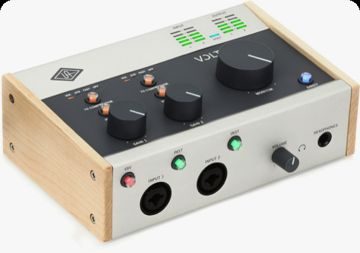
2. Everything plugs into this
3. Out of it, three ways
USB-C
both ways
- Pro Tools Studio
the DAW
- Waves Ultimate
plugins
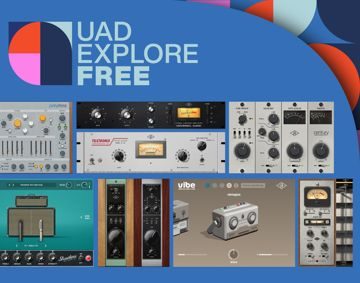
- UAD Explore FREE
8 UA plugins, free
- Auto-Tune Pro
pitch correction, live
- Melodyne 5
pitch and timing edits
Or instead
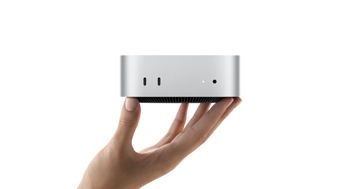
Mac minias a desktop
Headphone out
on the front
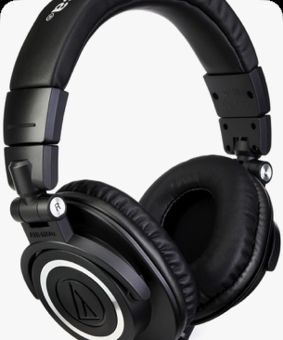
Audio-Technica ATH-M50xHeadphones.
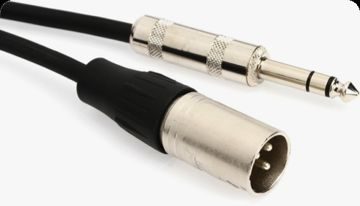
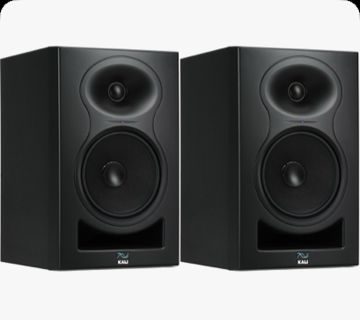
Pro Co BPBQXM-10TRS to XLR, one per speaker
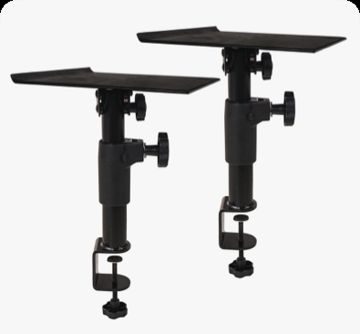
- Soundtown clamp-on stands
desk speaker stands
4. Save every session twice
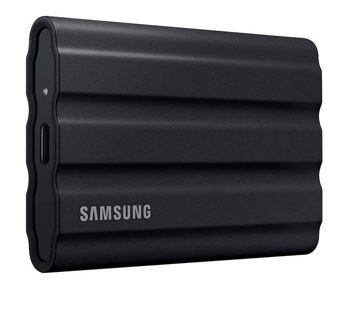
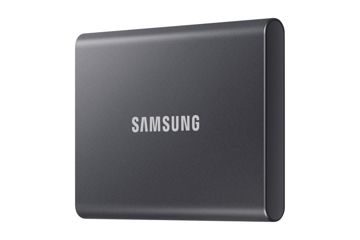
Samsung T7 ShieldSessions live here.
Samsung T7A backup of each one.
FreeFileSyncCopies sessions to the backup. Free.




Around it all
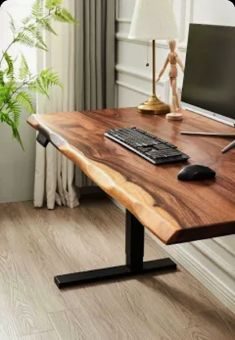
A desk
Room for the speaker stands to clamp on.
Budget swap
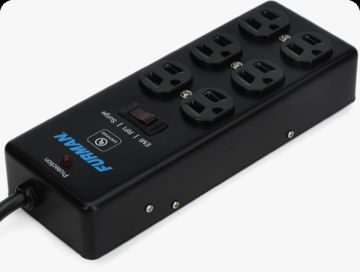
Furman SS-6B
Power strip. Everything tagged power plugs in here.
Nothing here is sponsored, and none of the links pay me. They go to the maker or a shop I'd buy from, so I can't vouch for prices, stock or anything else on those sites. Check before you buy.
Product names, logos and photos belong to their owners and are only used here to show which piece is which.
This is general advice, not a guarantee the gear will suit your room, your voice or your computer. Check compatibility with your system before buying, and follow each maker's own safety and setup instructions, especially for anything that plugs into the mains.
The room, first
Cheapest fix with the biggest return. Do this before anything else on the list.
Broadband absorption at the first reflection points
Sides, ceiling, behind the desk. Thick and porous beats thin and pretty.
Bass trapping in the corners
Where the low end piles up and where most home mixes go wrong.
A symmetrical setup
Speakers and your head making an equilateral triangle, tweeters at ear height, same distance to each side wall.
Monitoring
One pair you trust, learned properly, in a room that isn't lying to you.
A single pair of nearfields you keep for years
One pair of closed-back headphones for detail
Edits, noises, mouth clicks. Not for balance decisions.
A phone speaker or a small mono cube
The reality check. If the vocal and the kick survive there, they survive anywhere.
Capture
A short chain you know beats a long one you don't.
One good large-diaphragm condenser
The vocal mic you learn inside out.
A dynamic for loud sources and rough rooms
Untreated space, screamed vocals, guitar cabs.
An interface with clean preamps and stable drivers
Reliability is the feature. Colour comes later, if at all.
Software
Buy tools you'll open every day, not bundles you'll open once.
The stock plugins in your DAW
Learn these before buying any others.
One analyser you trust
For checking what you already heard, not for deciding.
A tuner and a pitch editor
The two that actually change records.